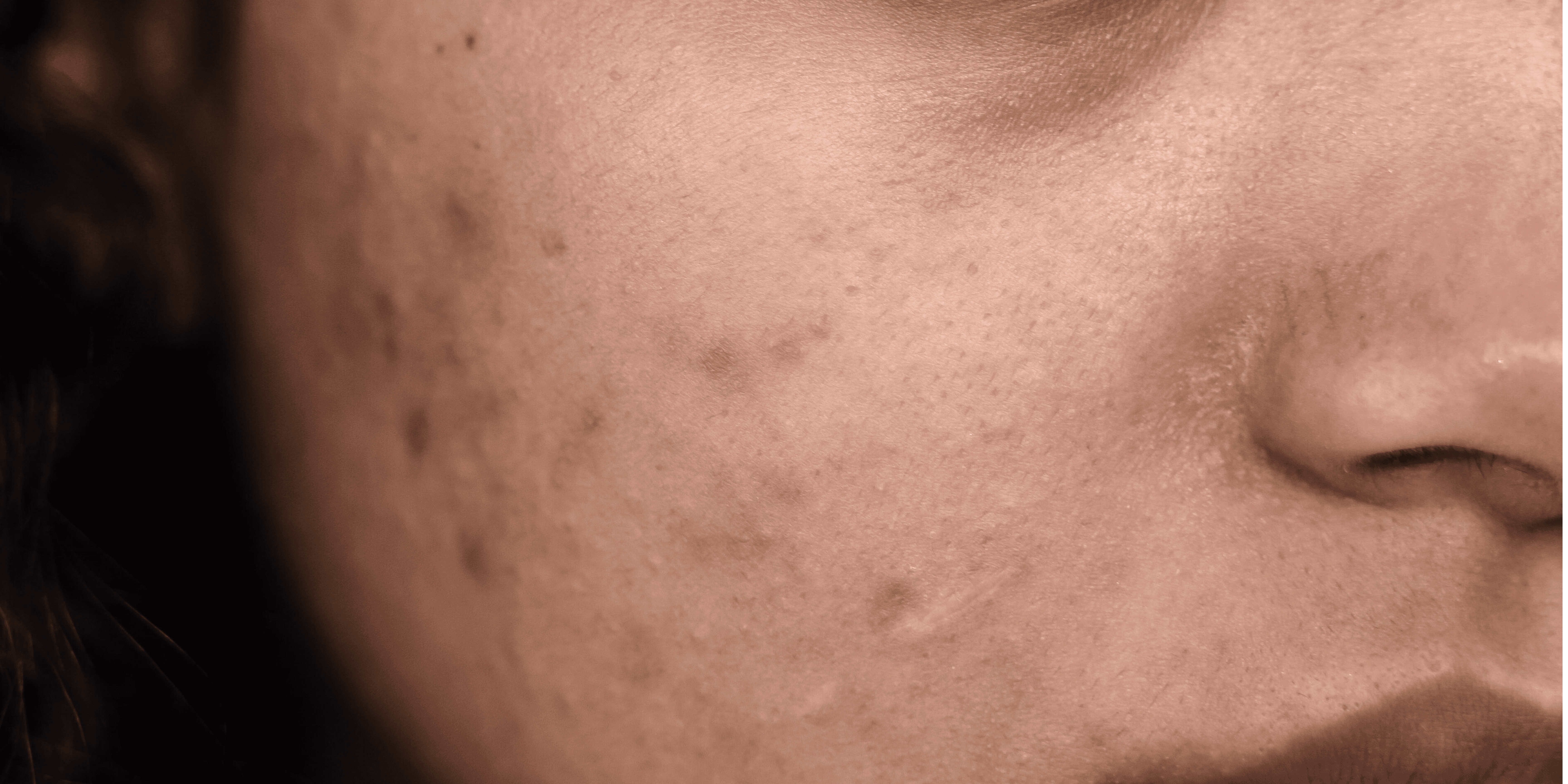

When it comes to achieving clear, healthy, and resilient skin, sunscreen isn’t optional—it’s essential. Whether you’re managing acne, rosacea, pigmentation, or simply wanting to age gracefully, daily SPF is one of the most powerful tools in your skincare routine.
Let’s break down why.
How Sunscreen Supports Common Skin Concerns
Acne-Prone Skin
Many people avoid sunscreen thinking it will clog pores or worsen breakouts—but UV exposure actually increases inflammation and delays healing. It also contributes to post-inflammatory hyperpigmentation, leaving behind darker marks after blemishes.
The right sunscreen protects your skin while supporting clearer, more even results.
Aging & Fine Lines
Up to 80–90% of visible skin aging is linked to sun exposure. UV rays break down collagen and elastin, leading to fine lines, wrinkles, and loss of firmness.
Daily SPF helps preserve your skin’s structure and slow down premature aging.
Rosacea & Sensitive Skin
Sun exposure is one of the most common triggers for rosacea flare-ups. It increases redness, heat, and inflammation in already sensitive skin.
Consistent sunscreen use helps keep the skin calm, supported, and less reactive.
Mineral vs. Chemical Sunscreens: What’s the Difference?
Mineral (Physical) Sunscreens
Contain ingredients like zinc oxide or titanium dioxide that sit on the surface of the skin and reflect UV rays.
Why they’re often preferred:
- Gentle on acne-prone and sensitive skin
- Provide immediate protection
- Less likely to cause irritation
- Zinc oxide has natural calming, anti-inflammatory benefits
Chemical Sunscreens
Absorb UV rays and convert them into heat.
While they can feel lightweight, they may:
- Trigger irritation in sensitive skin
- Increase heat in the skin (not ideal for rosacea)
- Contribute to breakouts in some individuals
The Added Benefit of Tinted Sunscreen
Tinted sunscreen offers more than just a glow—it adds another layer of protection.
Benefits of tinted SPF:
- Contains iron oxides that help protect against visible light (a key trigger for pigmentation and melasma)
- Helps even out skin tone instantly
- Ideal for redness, acne marks, and uneven skin
- Can replace foundation for a more natural, breathable finish
How Often Should You Reapply?
Applying sunscreen once in the morning is not enough.
Best practice:
- Reapply every 2–3 hours
- Reapply even when indoors (UV rays pass through windows)
- Reapply while driving or sitting near natural light
Consistency is what protects your skin long-term.
Common Sunscreen Myths (And the Truth)
“I don’t need sunscreen if it’s cloudy.”
UV rays penetrate clouds—your skin is still exposed.
“I’m indoors all day, so I’m safe.”
UVA rays travel through windows and contribute to aging and pigmentation.
“Sunscreen causes breakouts.”
Some formulas can—but the right one will protect and support your skin.
“Sunscreen causes cancer.”
This is one of the most common misconceptions—and it’s important to approach it with clarity.
Sunscreen itself does not cause cancer. In fact, regular sunscreen use is one of the most effective ways to reduce the risk of skin cancer by protecting against harmful UV radiation.
However, not all sunscreens are formulated the same. Certain chemical filters have raised questions over the years regarding skin sensitivity, absorption, and long-term safety when used excessively or improperly. While research is still ongoing, this is why many professionals prefer a more cautious approach.
What to focus on instead:
- Choose high-quality, professionally recommended sunscreens
- Opt for mineral-based formulas with zinc oxide when possible
- Avoid unnecessary additives or heavily fragranced formulas
- Focus on consistency and proper application
The goal isn’t fear—it’s informed, intentional choices that support your skin’s health long-term.
The Bottom Line
If you’re investing in treatments, facials, and skincare but skipping sunscreen, you’re not protecting your results.
Sunscreen is your daily defense against:
- Premature aging
- Pigmentation
- Inflammation
- Long-term skin damage
Pro Tip from the Clinic
Choose a mineral-based, broad-spectrum SPF and apply it as the final step in your morning routine—every single day.
Your skin treatments will perform better.
Your results will last longer.
And your skin will stay healthier over time.