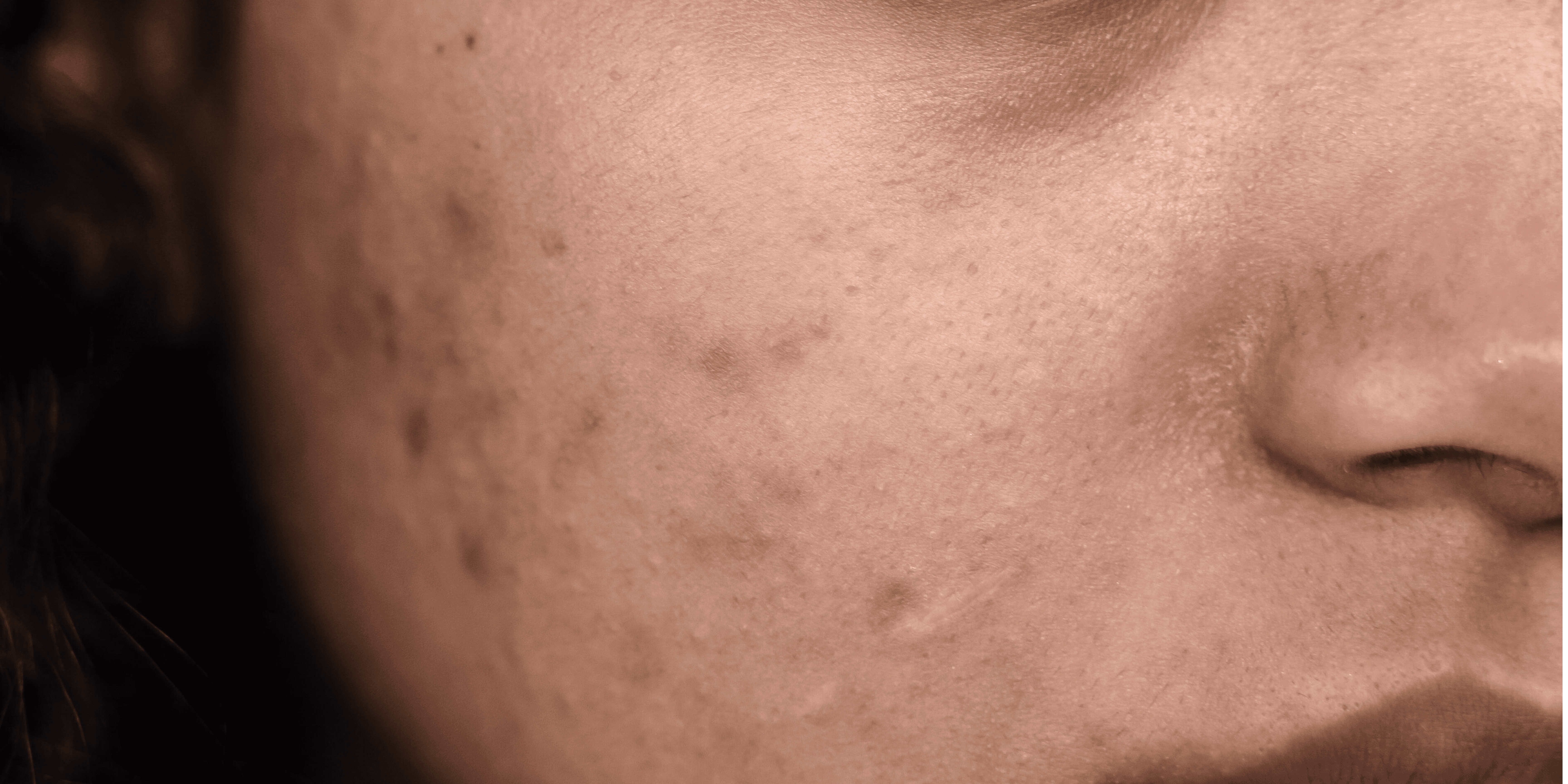

When winter hits, our first instinct is to reach for thicker moisturizers and soothing creams — but exfoliation is just as important for maintaining smooth, healthy, and hydrated skin this time of year. The colder months can leave your skin feeling dry, dull, and flaky, and gentle exfoliation helps remove that buildup so your products can actually do their job.
Let’s break down everything you need to know about winter exfoliation — from how often to do it, which exfoliator suits your skin type best, and how to avoid the common mistake of overdoing it.
Why Exfoliate in the Winter?
Cold air, indoor heating, and lower humidity levels can all compromise your skin barrier, leading to dryness and rough texture. When dead skin cells build up, they can block the absorption of your serums and moisturizers, leaving your skin looking tired.
Regular exfoliation can:
- Promote smoother, more radiant skin
- Help serums and moisturizers penetrate more effectively
- Encourage healthy cell turnover
- Support even skin tone and texture
- Reduce clogged pores and breakouts
The key is balance — exfoliate enough to refresh the skin, but not so much that you strip it.
Types of Exfoliation
1. Physical (Manual) Exfoliation
This type uses small particles, brushes, or tools to manually remove dead skin cells.
Examples: facial scrubs, dermaplaning, or exfoliating brushes.
Best for: resilient, oily, or combination skin types.
Avoid if: your skin is very sensitive, inflamed, or has active rosacea.
2. Chemical Exfoliation
Chemical exfoliants use ingredients like AHAs (alpha hydroxy acids) or BHAs (beta hydroxy acids) to dissolve dead skin cells rather than scrubbing them away.
Examples: glycolic acid, lactic acid, mandelic acid, or salicylic acid.
Best for: most skin types — as long as the right acid and strength are chosen.
Bonus: these can improve hydration, texture, and even pigmentation when used properly.
Exfoliating by Skin Type
Dry or Dehydrated Skin
- Choose lactic acid or mandelic acid — both are gentle and hydrating.
- Avoid harsh scrubs or strong glycolic acids in cold months.
- Exfoliate once per week, followed by a nourishing moisturizer or hydrating serum.
Wonderland favorites: Glymed+ Hydrating Enzyme Mask or Glymed+ Glycolic 10% Cleanser (used 1–2x weekly).
Oily or Congested Skin
- Look for salicylic acid (BHA) or a blend of AHA/BHA exfoliants.
- These help clear excess oil and prevent breakouts.
- You can exfoliate 2–3 times a week, depending on tolerance.
Wonderland favorites: Glymed+ Exfoliating Cleanser with Salicylic, Biomedika AHA Micro Scrub or Glymed+ Glycolic 10% Cleanser.
Sensitive or Rosacea-Prone Skin
- Avoid scrubs and high-strength acids — they can worsen redness.
- Opt for enzyme exfoliators or low-strength lactic or glycolic acid formulas.
- Once per week is enough.
- Always follow with calming, barrier-repairing products.
Wonderland favorites: Glymed+ Glycolic 10% Cleanser or Glymed+ Hydrating Enzyme Mask
Normal or Combination Skin
- You can alternate between a gentle chemical exfoliant and physical exfoliation every 1–2 weeks.
- Be mindful of dry areas during winter — don’t overdo it.
Any of the Wonderland favorites listed above are suitable for this skin type. However, if you are on the more sensitive side, ensure to follow recommendations for sensitive skin.
How Often Should You Exfoliate?
There’s no one-size-fits-all answer — your skin type, product strength, and current barrier health all matter.
As a general rule:
- Dry/Sensitive skin: 1x per week
- Normal/Combination skin: 1–2x per week
- Oily/Acne-prone skin: 2–3x per week
Always listen to your skin — if it feels tight, red, or overly shiny, it’s time to scale back.
The Precautions: Avoiding Over-Exfoliation
Exfoliation is meant to support your barrier — not break it down. Over-exfoliating is one of the most common causes of winter irritation and inflammation.
Signs You’re Over-Exfoliating:
- Tightness or stinging after applying products
- Redness or flaking that doesn’t improve with moisturizer
- A shiny yet rough texture
- Sudden increase in breakouts or sensitivity
- Burning when applying sunscreen or skincare products
If you notice these symptoms, pause all exfoliating products and focus on barrier repair instead.
How to Recover:
- Stop exfoliating for at least a week.
- Use gentle, hydrating products only — no acids, scrubs, or retinoids.
- Rebuild your barrier with ceramide-rich creams, hyaluronic acid, and niacinamide.
- Protect your skin with SPF daily, even on cloudy winter days.
Once your skin feels calm and hydrated again, you can slowly reintroduce exfoliation — once a week to start.
The Best Way to Exfoliate in Winter
- Start with a gentle cleanser to remove makeup and oil.
- Apply your exfoliant (physical, enzyme, or acid-based).
- Rinse and pat dry.
- Follow with hydration: Apply a barrier-repair serum like HA Beads Hyaluronic Acid Serum and a moisturizer.
- Never skip SPF — even in winter. Exfoliation increases sun sensitivity!
When Professional Exfoliation Makes a Difference
At-home products are great for maintenance, but professional treatments like dermaplaning, enzyme peels, microdermabrasion or light chemical peels can safely boost results.
These treatments help:
- Smooth texture
- Deeply renew the skin
- Prepare the skin for winter hydration and barrier repair
Ask your Esthetician which option suits your skin type best — especially if you’re managing acne, pigmentation, or sensitivity.
Final Thoughts
Winter is not the time to skip exfoliation — it’s the time to refine your routine. When done properly, exfoliating keeps your skin glowing, hydrated, and smooth all season long.
If you’re unsure which type of exfoliation is best for you, book a consultation at Wonderland Clinical Esthetics. We’ll help you create a personalized plan that keeps your skin radiant through the coldest months — without compromising your barrier.